

Struggling with autoimmune symptoms? Learn how the vagus nerve and nervous system dysfunction may be driving inflammation — and what you can do to support real healing.
What Is the Vagus Nerve and Why Does It Matter for Autoimmune Conditions?
If you’ve been dealing with an autoimmune condition, chances are you’ve heard:
“Your immune system is attacking your body.”
And while that might be partially true … it’s not the full picture.
Because your body isn’t broken. It’s responding.
The better question is:
Why is your system stuck in a state where it feels like it has to fight itself?
That’s where the vagus nerve comes in.
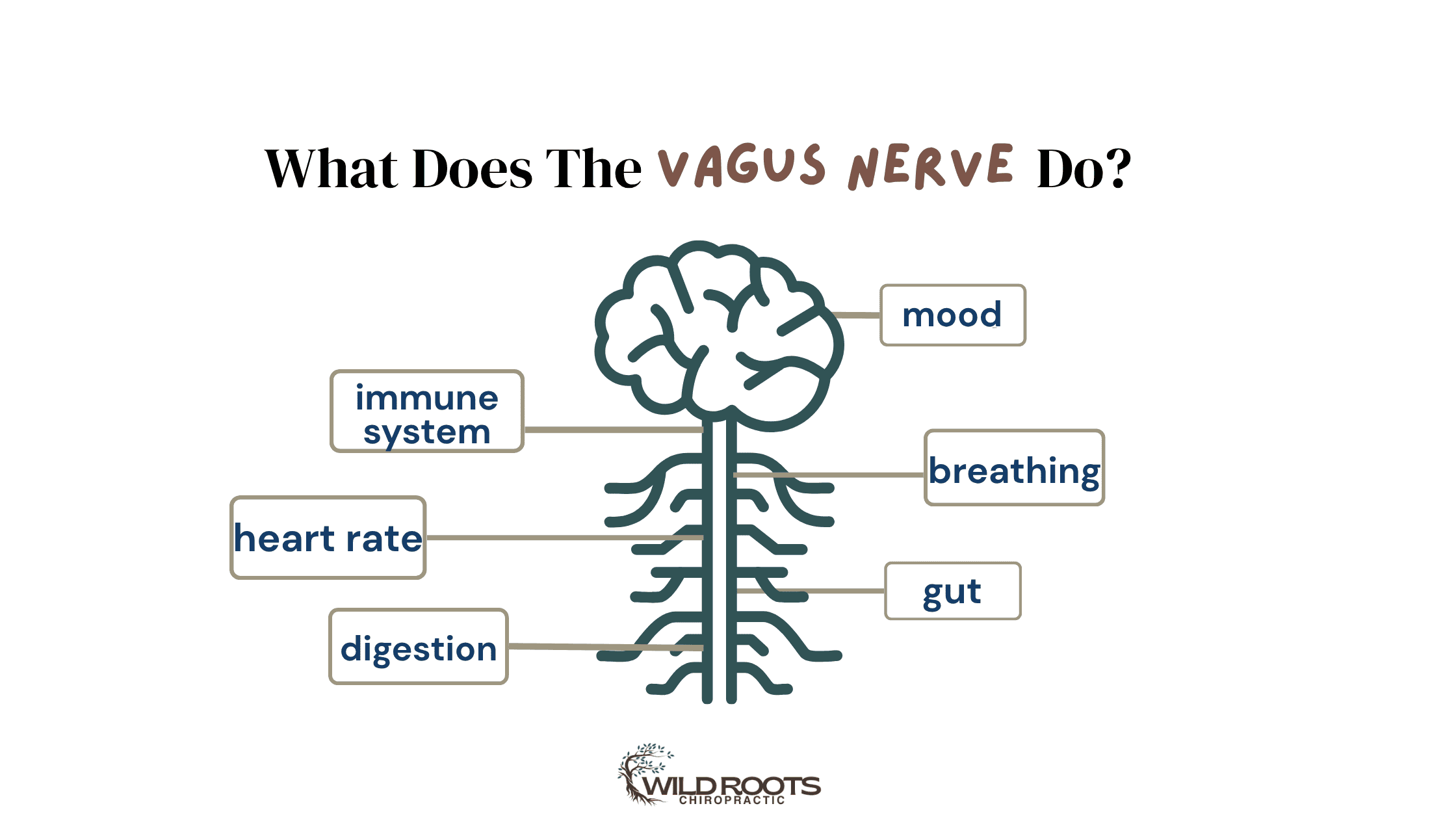
The vagus nerve is one of the most important communication pathways in your body. It connects your brain to your organs — especially your gut, heart, and lungs — and plays a major role in regulating your nervous system.
More specifically, it helps control your parasympathetic state — the side of your system responsible for rest, healing, and recovery.
How the Nervous System Affects Autoimmune Disease
Autoimmune conditions don’t just appear randomly.
They’re often the result of a system that’s been under stress for a long time — physically, chemically, or emotionally.
And here’s what most people aren’t told:
Your nervous system determines whether your body is in protection … or healing.
When your system is stuck in stress mode:
· Inflammation increases · Immune responses become dysregulated · Healing processes slow down
Over time, this can contribute to what we label as autoimmune disease.
But from your body’s perspective?
It’s not attacking itself. It’s trying to protect you — just in an overwhelmed, misfiring way.
The Vagus Nerve and Inflammation: The Missing Link
Your vagus nerve plays a direct role in controlling inflammation through something called the inflammatory reflex.
When everything is working properly:
· Your brain detects inflammation · The vagus nerve sends signals to regulate it · Your body returns to balance
But when communication is disrupted?
That “off switch” doesn’t work the same way.
So your body stays stuck in a loop:
· Constant inflammation · Heightened immune response · Ongoing stress signals
This is where many chronic conditions — including autoimmune issues — begin to take hold.
Signs Your Vagus Nerve May Not Be Functioning Properly
While every case is different, common signs of vagus nerve dysfunction can include:
· Chronic inflammation · Digestive issues (bloating, constipation, IBS) · Fatigue or burnout · Anxiety or feeling “stuck on edge” · Poor recovery from stress
These aren’t random symptoms.
They’re signals that your system may be struggling to regulate.
Why Addressing the Nervous System Changes Everything
Here’s the shift:
You can spend years chasing symptoms … Or you can start supporting the system that controls them.
Because if your body is stuck in survival mode, it’s not in a position to heal.
No matter how clean your diet is No matter how many supplements you take
Healing requires safety.
And safety is created through your nervous system.
How to Support Vagus Nerve Function Naturally
Supporting your vagus nerve isn’t about quick hacks — it’s about helping your body return to a regulated state.
That can include:
· Nervous system‑focused chiropractic care · Breathwork and nervous system regulation exercises · Consistent, low‑stress movement · Reducing chronic physical and emotional overload
The goal isn’t to do more.
It’s to give your body the right inputs so it can shift out of survival mode.
A Different Way to Look at Autoimmune Conditions
Autoimmune conditions aren’t just bad luck.
They’re often a sign that your body has been stuck in protection mode for too long. And your vagus nerve plays a key role in that process.
When you start supporting your nervous system — not just managing symptoms — your body has a different opportunity to heal.
Final Thought
Your body is not working against you.
It’s adapting based on the signals it’s receiving.
The question is: are you giving it signals of stress … or signals of safety?
Ready to Take the Next Step?
If you’re dealing with chronic inflammation or autoimmune symptoms and feel like you’ve tried everything, it might be time to look at your nervous system.
Our approach focuses on helping your body regulate, adapt, and heal — not just mask symptoms.
Schedule a visit and let’s start addressing the root.